
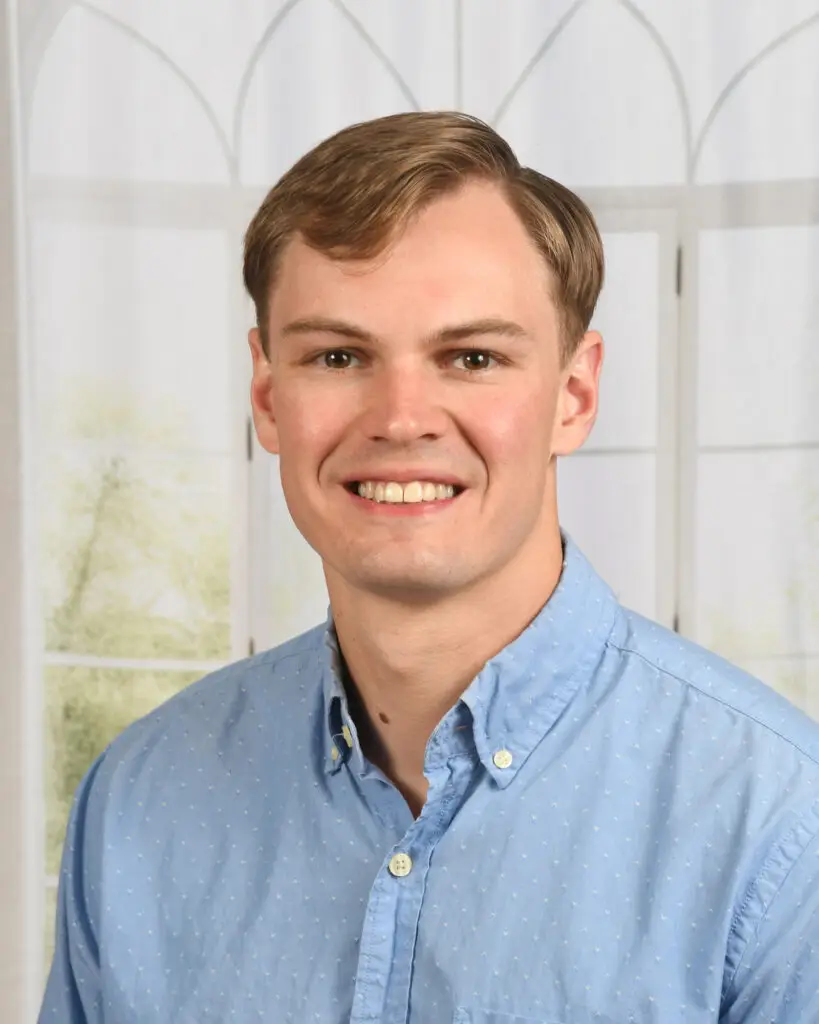
Eli Ellis is an Army Special Operations veteran and engineering student at the University of Cincinnati whose life reflects the resilience, discipline, and hard-won wisdom of someone who has faced his darkest battles and emerged with renewed purpose. As a recipient of a Mission to Live Foundation scholarship, Eli has found both consistency in his mental health and a deep reconnection to his faith, an achievement that anchors the next chapter of his personal and professional journey.
Eli’s story begins long before his military service, with childhood trauma that shaped his early years and set him on a path toward discipline and structure. He found both in the Army, where he served as a Blackhawk Crew Chief through multiple combat deployments. The role demanded precision, leadership, and unshakable tenacity, qualities Eli developed under intense pressure and carried with pride. But the cost of service was steep. He lost teammates and friends, endured the physical and psychological strain of high-stakes training, and absorbed the weight of experiences that would resurface long after he left the uniform behind.
Like many veterans, Eli was unprepared for how difficult the transition to civilian life would be. The structure and camaraderie that had once held him together gave way to isolation, and the traumas he carried, both from childhood and his service, resurfaced with new intensity. He turned to alcohol and drugs to cope, wrestled with moral injury, and found himself with little faith to lean on. Traditional talk therapy offered some relief, but it never reached the depth of what he needed to truly heal.
In 2026, Eli found healing through an Ibogaine and 5-MeO-DMT journey, a profound and transformative experience that allowed him to confront the traumatic events of his past directly. In that process, he rediscovered a genuine connection with himself and, unexpectedly, with his Catholic faith. What emerged was not just relief from symptoms, but a rebuilt sense of peace, patience, love, and connection with the world around him.
Since that experience, Eli has continued to grow in his faith and has committed himself to sharing his story publicly. He speaks candidly about his struggles with traumatic brain injury (TBI) and PTSD, not to dwell on the pain, but to offer other young men and women a roadmap toward hope. His willingness to be open about a healing path that falls outside conventional treatment options reflects both courage and a genuine desire to help others who may be suffering in silence.
Today, Eli balances his academic pursuits in engineering with a mission larger than any single degree: to show fellow veterans and anyone battling invisible wounds that recovery, faith, and purpose are possible, even after the deepest struggles.